Risk Reduction & Decontamination
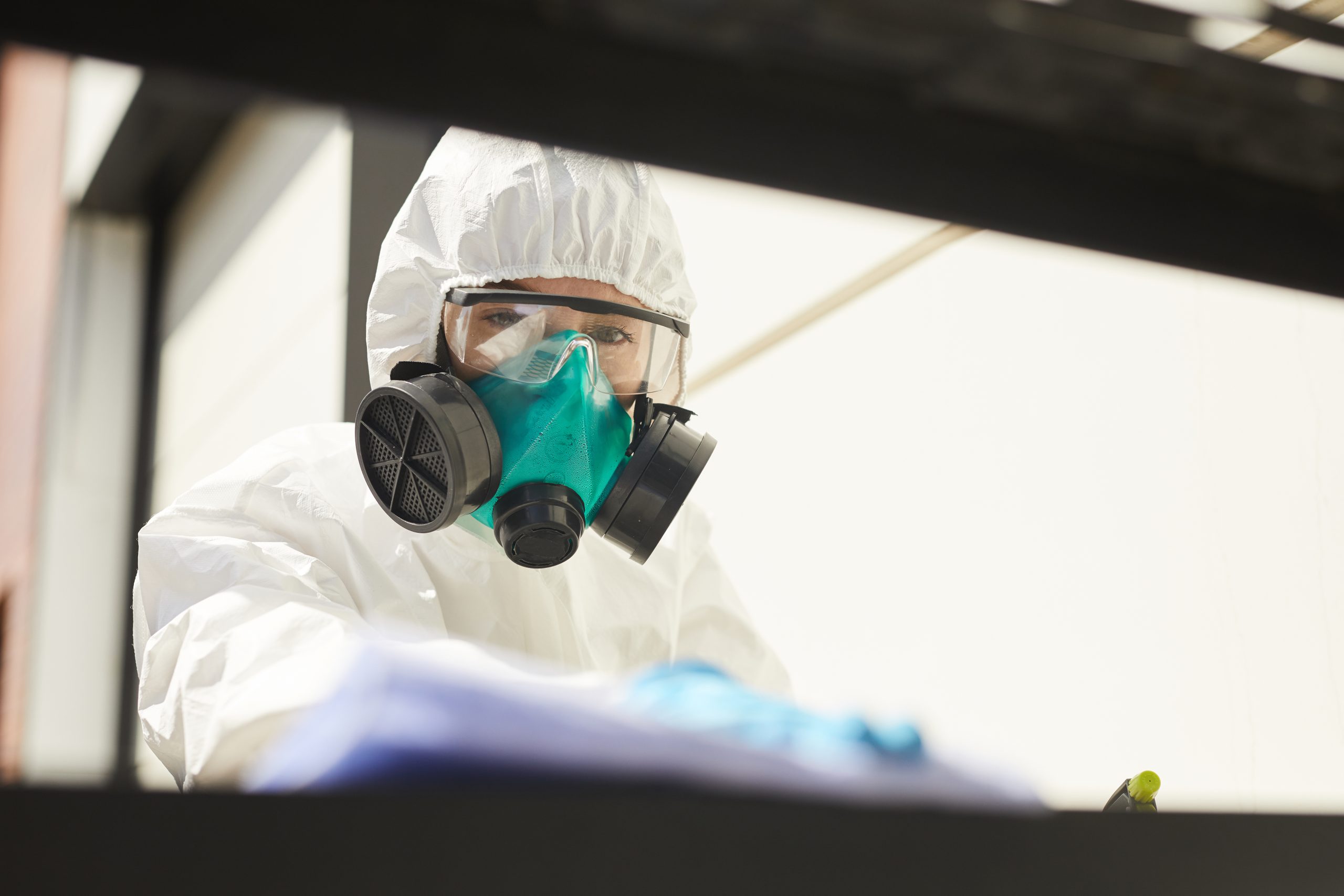
Many approaches focus on killing visible mould. Killing does not remove contamination. Once disturbed or treated, mould can fragment into fine particulate matter that remains airborne or settles into reservoirs. These fragments may still contain biologically active components and can continue to be inhaled.
For this reason, mould-related problems are rarely resolved by single treatments or “quick fixes”.
Effective outcomes depend on controlling exposure, not on product claims. In many cases, proportionate risk reduction targeted removal, containment, filtration, and exposure management is more reliable and defensible than indiscriminate chemical application.
Click each tab below for more information.
Cost benefits the higher the level of risk reduction, the higher the cost but all will have benefits. Click for description
AirScrub™ is a medically grounded air decontamination process designed to remove harmful airborne mould particles, spores, and toxins the primary cause of building-related illness. Unlike traditional methods, it targets what you inhale, rapidly clearing the air and capturing contaminants for safe removal, helping to significantly reduce exposure risks within hours.
All decontamination and risk-reduction measures are secondary controls.
The sources of moisture, contamination, and associated reservoirs must be identified and addressed first.
For this reason, we usually recommend a survey or investigation before any treatments are undertaken.
Where health issues are a concern, inhalation of dead or non-viable mould and bacterial fragments can pose a greater health risk than live organisms.
It is therefore essential that air and surface cleaning accompany any treatment to achieve meaningful, medically defensible risk reduction.
An effective maintenance treatment providing ongoing defence against mould, bacteria, and viruses.
This invisible protective film offers long-term surface protection against a wide range of biohazards, from common respiratory viruses to mould and emerging biological threats.
Defence Shield is not a substitute for investigation or remediation, but a proven adjunct for maintaining hygienic environments once causes and reservoirs have been addressed.
Not everyone can afford professional mould remediation. In some cases, small areas of mould may be more safely addressed by occupants themselves than by untrained or unqualified contractors.
International consensus guidance recognises that limited, localised mould growth can be managed by the public using appropriate PPE and recognised methods, provided the underlying moisture source is controlled.
This free guidance paper explains how to reduce risk from mould and bio-exposure using simple, evidence-based approaches.
SanSafe™ uses one of the safest known chemical dry-fogging processes currently available.
Its effectiveness is comparable to more aggressive dry-fog systems, without the toxicity risks associated with many commercial alternatives.
The chemistry is based on compounds naturally produced within the human body and widely used in healthcare wound-care applications.
Important limitation:
Dry fogging provides only marginal benefit for individuals with CIRS or mould-related illness, as it does not remove dead, non-viable fragments or settled reservoirs, which are often the primary drivers of symptoms.
equipment in CBRN battlefield environments.
Producing over 400,000 microscopic droplets per cubic metre, the process behaves like a gas, enabling deep penetration and measurable reduction of biological contaminants.
- Property vacated during treatment
- No re-entry for 10 hours post-application
When combined with Pro Plus Airscrub, this system delivers one of the most effective professional bio-reduction treatments currently available worldwide.
Pro Plus™ comprises various integrated systems and should be considered where chronic illness or prolonged exposure is a concern.
Pro Plus 1 – Airscrub
The fastest and most economical method for reducing inhalation risk from airborne contamination.
When paired with appropriate post-treatment cleaning, Airscrub provides medically sound risk reduction, particularly where exposure reduction is the immediate priority
Pro Plus 2 – Mechanical Risk Reduction
A mechanical decontamination process designed to remove bulk contamination reservoirs.
The system:
- Establishes controlled pressure differentials
- Aerosolises settled contaminants
- Flushes contamination through managed air pathways
This method is used only as part of a professional risk-reduction package and always in conjunction with Airscrub.
Cause, Damage & Reservoirs - First
Risk reduction is only effective when the contamination source, any resulting damage, and contamination reservoirs are addressed first. Treating symptoms without resolving these factors commonly leads to recurrence or escalation.
We can assist with identifying these issues and normally recommend a survey before any treatment is undertaken, to ensure that any subsequent risk reduction or decontamination is appropriate, proportionate, and effective.
Alternatives and Commercial Capability
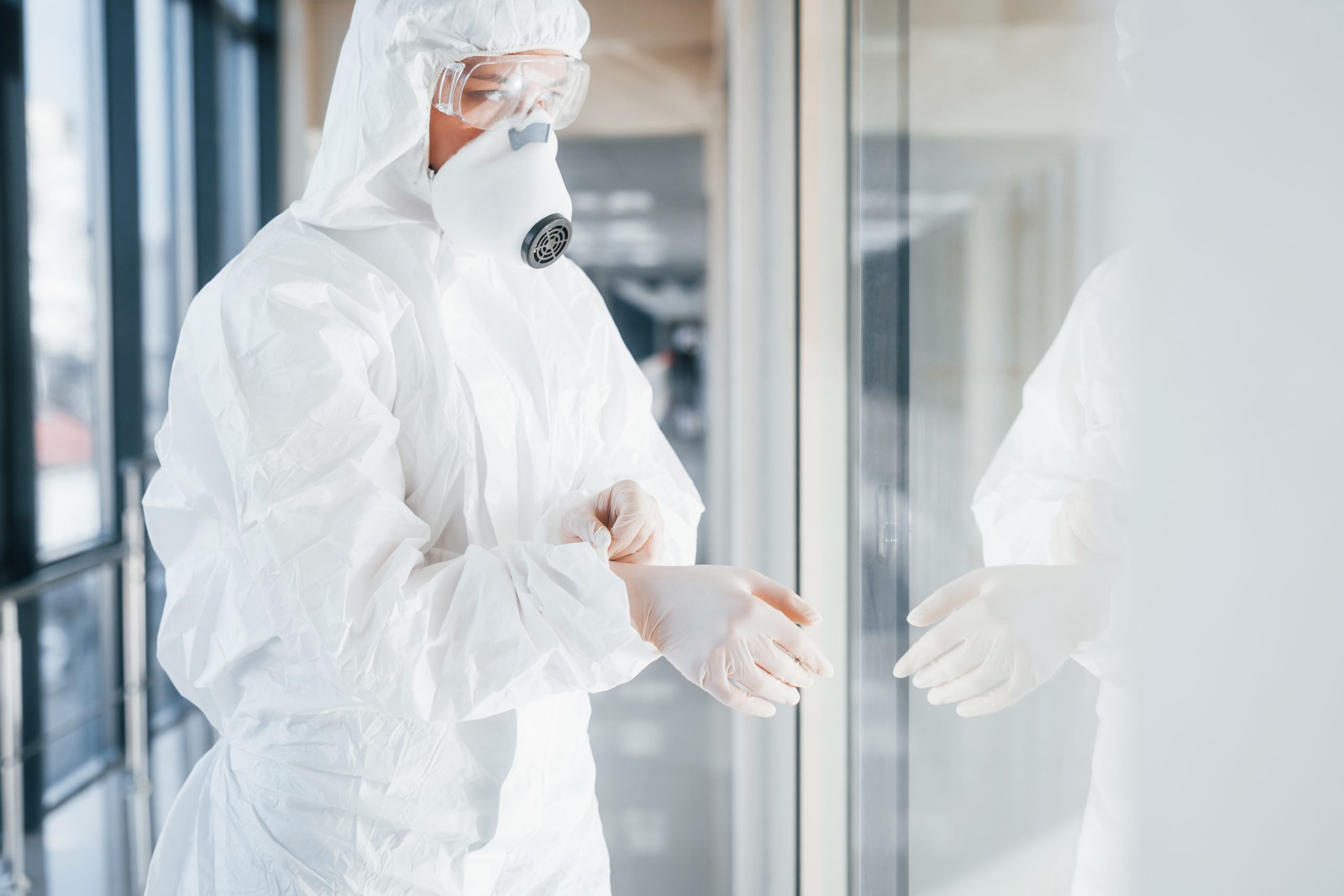
With over 25 years’ experience applying established commercial protocols, we support both domestic and complex commercial buildings. Where required, we offer planned overnight or short-duration interventions to minimise disruption and utilise long-established defence film and containment systems used commercially for decades to isolate risk and prevent secondary spread.
We do not promote a single solution.
Our role is to assess risk and reduce exposure, offering proportionate options — from simple entry-level risk reduction through to advanced measures and full professional decontamination — based on building conditions, occupant vulnerability, regulatory or medical context, operational constraints, and available budget.
The objective is always the same: reduce harm, prevent recurrence, and deliver defensible outcomes.